Frequently Asked Questions
Find clear answers regarding property restoration sequences, Xactimate line-item validation, scoping workflows, and industry estimation standards.
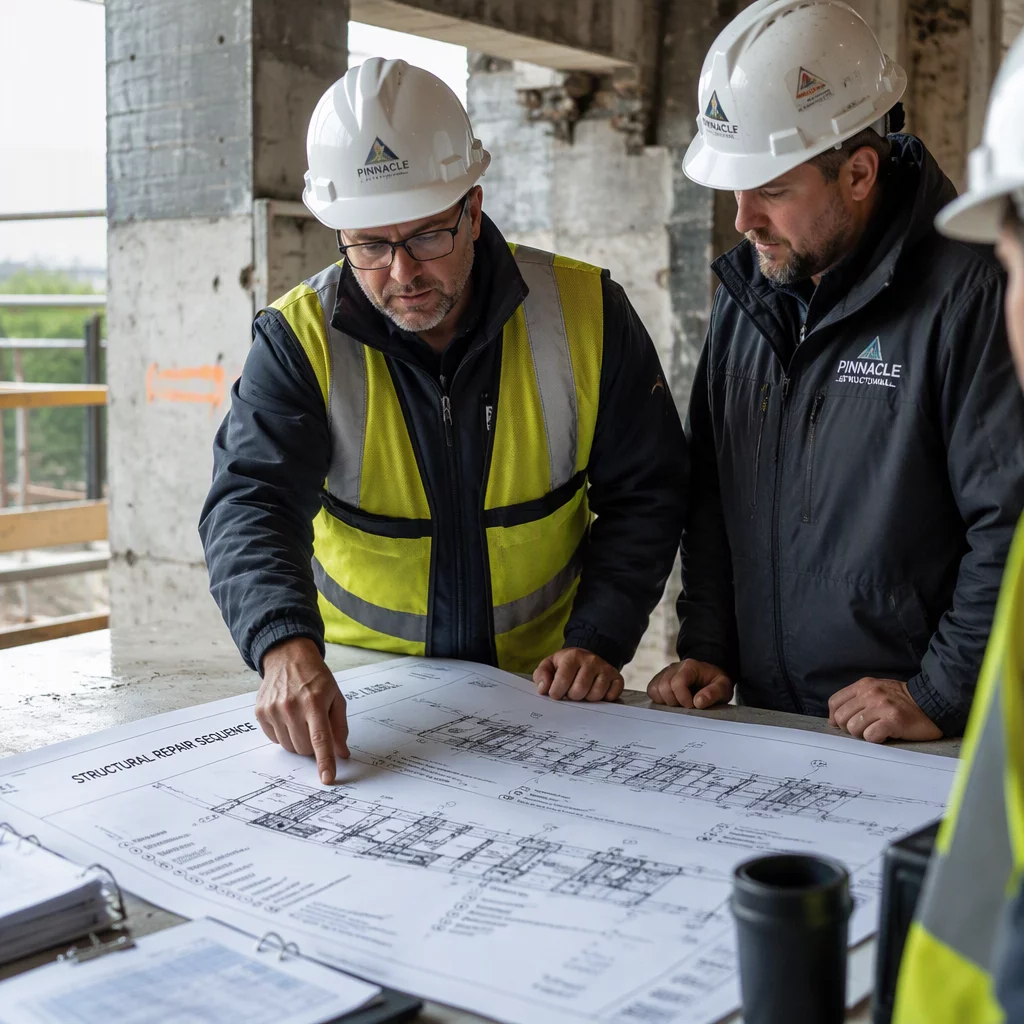
A repair sequence is a structured, chronologically ordered framework of restoration and reconstruction activities. It ensures structural stabilization, moisture remediation, environmental containment, rough-in mechanical inspections, and finishes happen in exact operational order. Following a disciplined sequence prevents rework, guarantees building code adherence, and verifies insurance claim scope validity.
Standard scoping errors frequently arise when estimators input line items without evaluating the physical predecessor tasks. By organizing estimates around operational sequence stages (such as demolition, barrier installation, MEP rough-ins, drywall hanging, floating, priming, and trim reset), mandatory prerequisite line items like masking, reset labor, and containment maintenance are systematically captured.
Before insulating and closing wall cavities, restorers must complete and archive three vital records: photographic proof of structural drying within wood equilibrium moisture thresholds (<15% WME), verified pre-closure electrical and plumbing rough inspections, and anti-microbial treatment application logs.
The recommended best practice is to prime walls and ceilings, install base cabinetry, apply first finish paint coats, install flooring material with proper perimeter expansion gaps, set baseboards and shoe moulding, and apply final paint touch-ups. This sequence guards finished floor surfaces against heavy construction traffic and ladder damage.
A critical path bottleneck is any required dependent stage that halts all downstream trades if delayed. In loss mitigation, typical bottlenecks include engineering plan approvals, abatement clearances (asbestos or lead), municipal rough mechanical sign-offs, and specialized long-lead custom millwork deliveries.
Transparent sequence notes directly in line-item descriptions explain trade logic to adjusters, explaining why specific support tasks (e.g., HVAC register sealing, temporary dust barrier construction, detached fixture storage) are technically essential rather than duplicate line charges.
Yes. A chronological ledger containing date-stamped moisture readings, trade handoff checklists, and client sign-offs establishes an immutable audit trail. This records existing baseline conditions and demonstrates that manufacturer installation guidelines and building codes were strictly honored.
HVAC system remediation should be scheduled after all airborne dust-generating operations (such as drywall sanding and tile cutting) are concluded and negative air equipment has cleared room atmosphere, but prior to final carpet installation and finished deep cleaning.
No matching questions found
Try refining your keywords or select another sequence category above.
Have specific questions about a complex claim?
Explore our real-world Xactimate repair sequence case study or reach out directly to our estimating team.