Surface & Finish Dependencies

Finish Transitions

When a repair alters an underlying substrate or mechanical line, physical effects carry over to adjacent paint, millwork, and wallboard finishes.

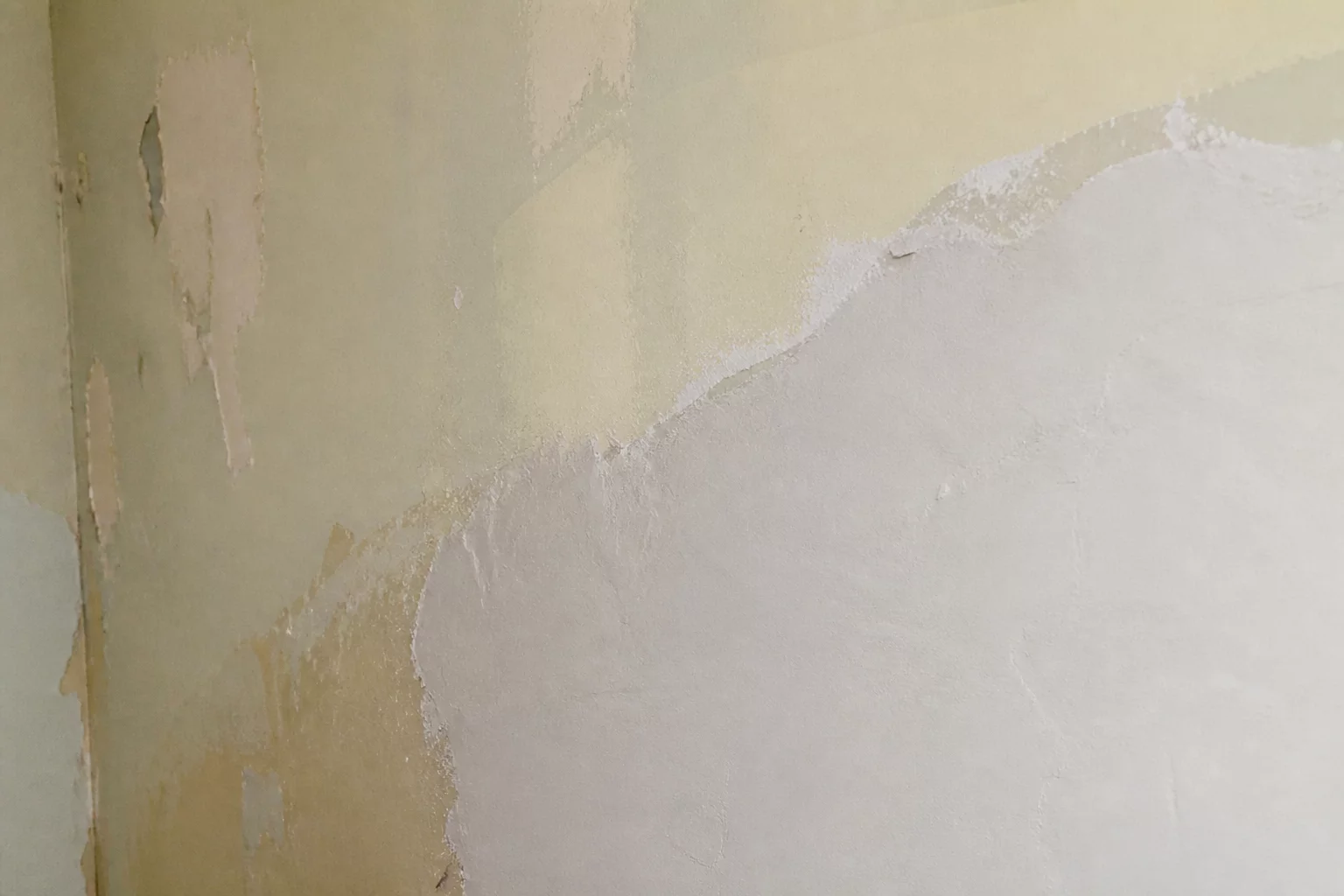
Finish transition repair showing drywall patch and adjacent paint surface
Sequence Verified
Multi-Trade Boundary Audited
Trade expert avatar 1 Trade expert avatar 2 Trade expert avatar 3
+18 Field Specialists
3 Planes
Boundary Interfaces
48 Hours
Minimum Cure Window
Level 4/5
Drywall Spec Requirement
Break-to-Break
Paint Cutoff Rule
Workflow Analysis

Managing Surface Junctions and Edge Termination

Finish transitions represent one of the most critical dependency chains in building repair. Cutting into a gypsum assembly or subfloor system never leaves a self-contained boundary. Once structural framing or plumbing access is restored, the immediate challenge shifts to blending new patching compounds against existing, aged finishes.

Surface feathering must bridge textural variances and material thicknesses without creating visible ridges or optical flashing under natural raking light. Applying paint only to the repaired cutout inevitably creates noticeable halo marks, making corner-to-corner surface preparation essential for proper trade closure.

Standard Transition Sequence Flow

  • 01
    Substrate Stabilization & Backing Confirm solid wood backing is installed behind all perimeter joint edges to eliminate independent panel deflection.
  • 02
    Progressive Feathering & Intermediate Cure Apply multi-coat taping compound extending 12 to 18 inches beyond raw seams, maintaining full drying windows between coats.
  • 03
    Full-Plane Sealing & Topcoat Termination Prime the entire wall plane with high-solids PVA primer before rolling uniform finish coats from inside corner to inside corner.

Rushing this sequence leads directly to premature topcoat cracking or finish delamination. Subsequent finish trades, including baseboard installers and trim carpenters, cannot perform clean fits until the wall surface meets level tolerances.

Substrate Moisture & Structural Clearance

All underlying framing inspections and moisture readings must register below 15% moisture content before drywall closing can commence.

Drywall to Finishing Handoff

The drywall crew releases the surface only after complete pole sanding and micro-dust vacuuming. Painters then verify ambient humidity levels.

Cross-Light Inspection & Millwork Alignment

Visual verification under 500-lumen raking light confirms zero joint telegraphing prior to baseboard and electrical plate resetting.

Sequence Matrix

Interface Rules

Primary Substrate
Gypsum & Plaster
Feathering Radius
12–18 Inches
Priming Protocol
Full-Surface PVA
Sanding Grade
150–220 Fine Grit
Break Point Rule
Architectural Angles
Critical Handshake Note

Never install baseboards or casing trim before the final prime coat is rolled; roller splatter easily contaminates pre-finished millwork.

Multi-Trade Ledgers

Explore complete handoff matrices and sequential dependency schedules for complex repairs.

Explore Handoff Ledgers
Trade Notes

Field Observations & Discussion

No comments yet. Be the first to leave a workflow note.

Share Workflow Notes