The remove and replace workflow is frequently misclassified as an isolated, singular action. In practice, removing a damaged component uncovers underlying substrates that must be evaluated, cleaned, and structurally certified before any new materials are brought into the space. Skipping this evaluation phase inevitably leads to alignment failure and premature material degradation.
When replacement units are installed directly against compromised backer assemblies, mechanical fasteners fail to achieve designed torque values. This protocol details the linear sequence that separates non-destructive removal from rough opening remediation, providing a solid transition milestone for finish trades.
Sequential Milestones in the Remove & Replace Cycle
-
01
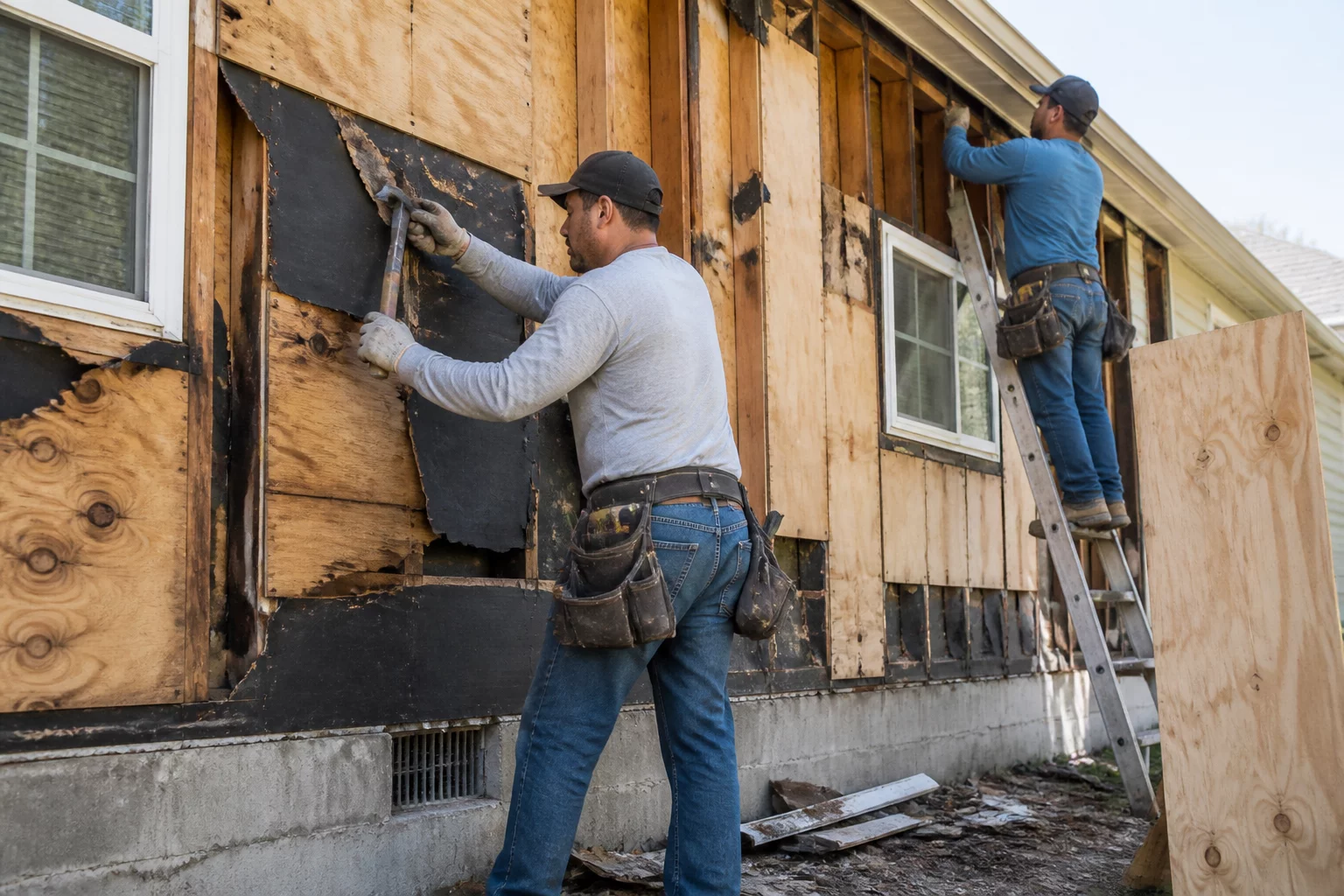
Selective Demolition & Fastener Clearing
Carefully extracting degraded assemblies while protecting adjacent building envelope layers and clearing embedded fasteners.
-
02
Substrate Inspection & Trueing
Verifying framing plane alignment, replacing compromised backing blocks, and confirming rough-in clearances.
-
03
Staged Reinstallation & Anchor Verification
Securing replacement components to verified structural points with specified fastener patterns and perimeter seals.
Documenting each handoff milestone creates a verifiable paper trail that prevents premature trade mobilization and eliminates costly reverse-sequencing errors.



Elena Campbell
On multistory drywall and millwork repairs, splitting the demolition phase from framing inspection cut re-work time significantly. Making sure backer plates were confirmed before hanging new units eliminated subsequent tear-outs.
Marcus Reed
Lead ReviewerExact point. When the replacement item is delivered before substrate readiness is documented, trades tend to force fitment, which compromises moisture seals.