

Core Findings Summary
The latest research by Hippo Holdings reveals an urgent gap between catastrophic weather occurrences and the practical workflow needed to stabilize residential structures without costly delays.
- Half of all surveyed homeowners nationwide dealt with weather damages within the past 36 months, paying directly for urgent stabilization.
- Water intrusion and wind-driven structural breaches frequently lead to compound damages because early access preparation is misaligned with subsequent trade handoffs.
- Rigid sequence management across emergency board-up, drying, framing, and finish reinstallation proves vital to preventing repetitive teardowns.
Rising Frequency of Severe Weather Disruptions
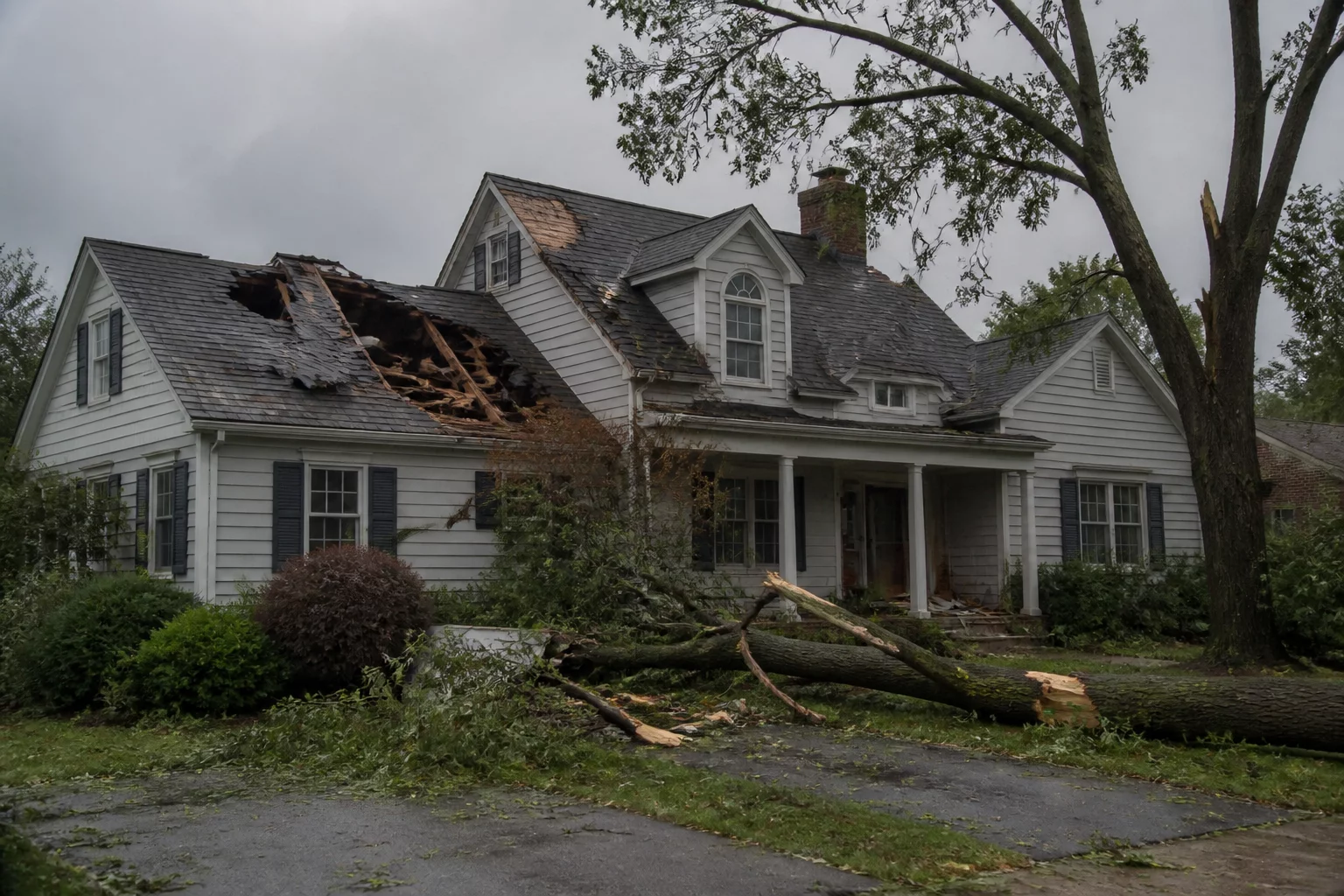
The data published by Hippo Holdings indicates a noticeable acceleration in weather-induced property failures across diverse geographical regions. Severe convective storms, sudden freeze events, and localized flooding no longer represent rare anomalies, creating ongoing friction for residential owners.
When exterior envelopes give way under storm pressure, secondary damage spreads across structural assemblies within hours. The study emphasizes that prompt recognition of structural vulnerability prevents localized water entry from developing into deep-seated subfloor decay.
The Reality of Out-of-Pocket Emergency Expenses
According to the findings, 50% of affected homeowners paid out of pocket to address weather damages over the past three years. Many property owners chose immediate self-funding to stop roof leaks, extract standing water, and clear downed branches before formal assessments could take place.
These early out-of-pocket interventions often lack systematic documentation of the exact repair sequence. Without clear handoff ledgers from the emergency mitigation crew to the reconstruction specialists, subsequent structural repairs often face unnecessary scope overlap and wasted labor.
Sequence Conflicts During Storm Recovery Operations
The report highlights severe operational bottlenecks when multiple trades arrive concurrently on storm-damaged properties. Removing roof decking before securing interior drywall or applying cosmetic finishes prior to completing moisture remediation creates recurring sequence conflicts.
Effective resolution requires establishing access dependencies first. Demolition of saturated drywall must occur ahead of mechanical diagnostics, ensuring that insulation handoffs and structural inspections happen in an uncompromised, orderly environment.
Strategic Frameworks for Long-Term Property Resilience
Moving beyond emergency stabilization, the Hippo Holdings analysis underscores the value of structured maintenance workflows. Homeowners who maintain proactive inspection cycles for flashing, roof transitions, and drainage assemblies reduce the likelihood of cascading failures during severe weather.
Pairing systematic repair sequencing with proper trade handoffs establishes a repeatable protocol. This approach guarantees that every phase—from initial weather mitigation to final architectural detailing—maintains full structural integrity and transparency.
No comments yet. Be the first to share your perspective on this report.