


Delineating Waste Extraction from Substrate Reconstruction
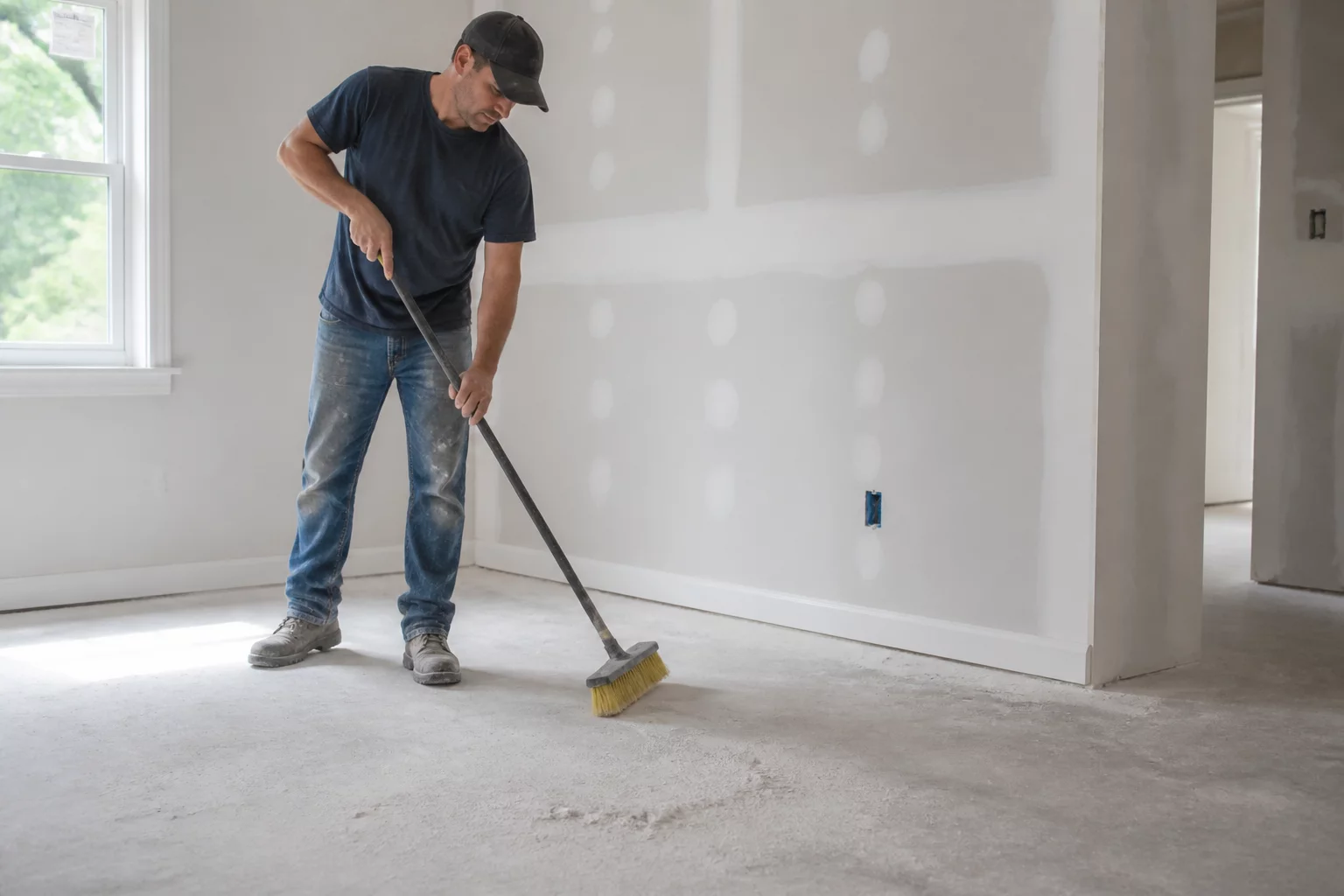
Field operations frequently conflate site cleanup with active structural repair, creating schedule bottlenecks and premature material failures. When demolition teams remove compromised wall assemblies, the resulting debris pile, airborne dust, and residual fasteners must be addressed before any carpentry or mechanical restoration can safely proceed.
Debris extraction focuses entirely on eliminating contaminated building remnants, restoring safe line-of-sight, and establishing environmental controls across the work zone. In contrast, repair involves physical structural reinforcement, framing alignment, fastener anchoring, and surface preparation. Treating these distinct operational phases as a single continuous line item obscures trade responsibilities and leaves uninspected surfaces buried under premature finish installations.
Explore Task Reordering in Practice
Review detailed field documentation on how single sequence changes reorder surrounding trade milestones.
Core Operational Milestones Across the Project Lifecycle
A reliable restoration schedule separates decontamination and clearing procedures from mechanical and architectural repairs through specific staging gates:
- Negative air machine containment and particulate filtration operate continuously throughout demolition disposal before trade carpenters arrive.
- Antimicrobial washes and substrate vacuuming require complete evaporation and moisture verification prior to installing insulation or drywall backing.
- Heavy debris haul-away and disposal routes prevent material transfer onto newly prepped framing members.
- Final surface handoff checklists verify zero particulate settling on horizontal framing plates before trade crews anchor new sheet goods.
Enforcing these boundaries ensures clean structural substrates, prevents contamination transfer between adjoining rooms, and guarantees subsequent finish layers bond to clean, sound surfaces without rework.
Peer Discussion & Feedback
0 CommentsNo comments yet. Be the first to leave a comment.
Leave a Review & Note