



Isolating the Work Zone Before Physical Teardown
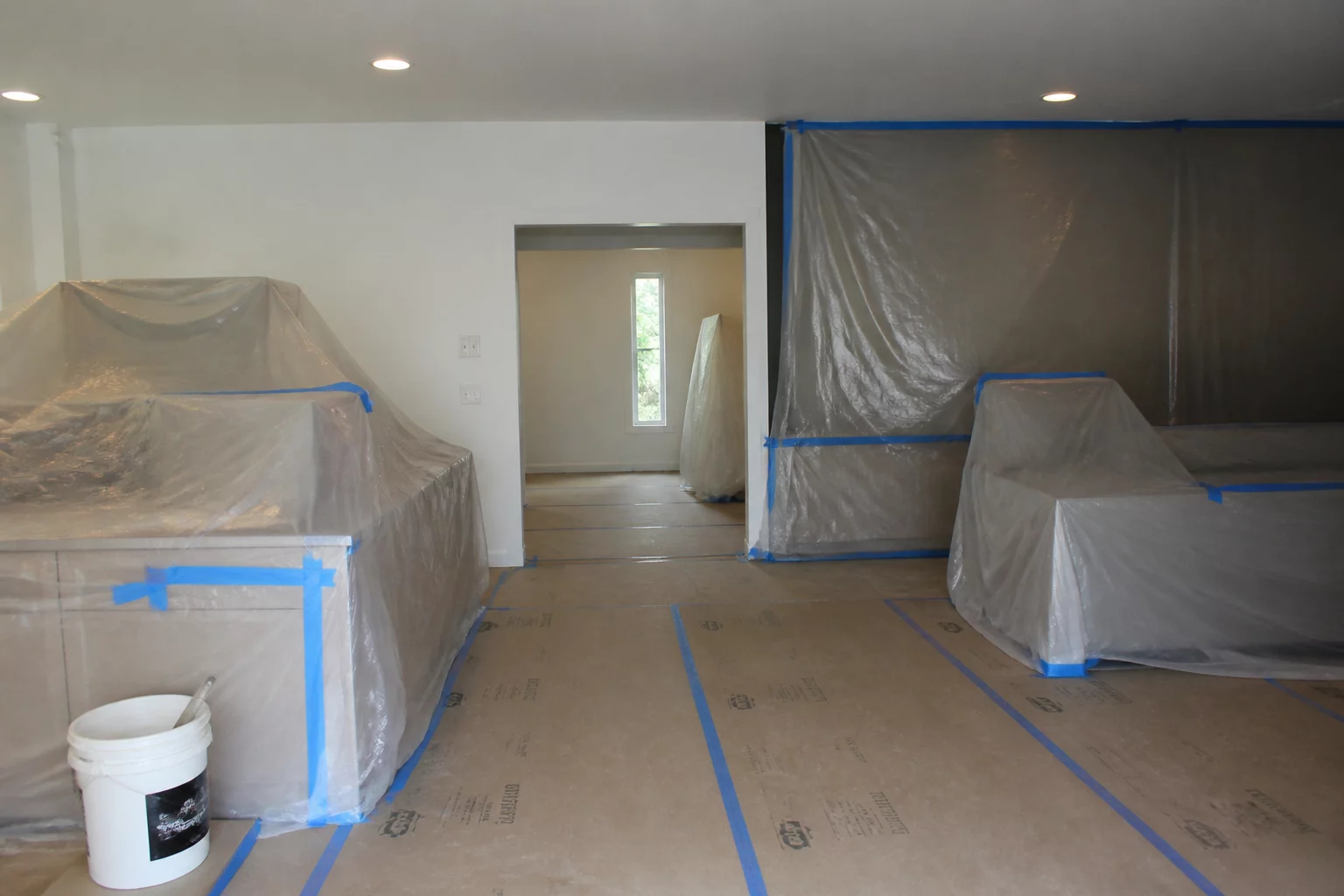
Temporary protection forms the baseline envelope of any controlled restoration or structural remediation. When surface shielding is omitted from initial sequence planning, microscopic debris, airborne particulates, and foot traffic inevitably compromise finished areas adjacent to the repair zone.
In practical field operations, establishing temporary poly barriers, heavy-duty floor runners, and zippered negative pressure chambers is not an optional add-on; it represents the critical first milestone before demolition crews strike the first wall. Without this prerequisite containment boundary, downstream trades face constant delays caused by secondary cleaning and remedial finish repairs.
How Upstream Dependencies Shift Project Schedules
Discover how a single unexpected discovery during structural access or teardown recalculates the workflow for subsequent trades.
Core Principles of Temporary Containment Workflows
Incorporating surface protection into formal repair schedules ensures clean handoffs between rough demolition, mechanical adjustments, and delicate architectural finishing.
- High-impact neoprene and breathable ram board shields hardwood and polished stone from debris and heavy tool drops.
- Negative air machines and HEPA filtration units run continuously during drywall removal to capture ultra-fine particles.
- Dedicated transitional airlocks and sticky tacky mats prevent cross-contamination across active household zones.
- Documented pre-existing condition logs establish baseline integrity before protective materials are securely taped.
When each subcontractor respects the boundary lines set by initial temporary protection, scheduling conflicts plummet. The containment envelope remains intact through intermediate mechanical inspections right until final touch-up painters demobilize from the jobsite.
Peer Discussion & Feedback
0 CommentsNo comments yet. Be the first to leave a comment.
Leave a Review & Note