


Spatial Conflicts and Handoff Dynamics
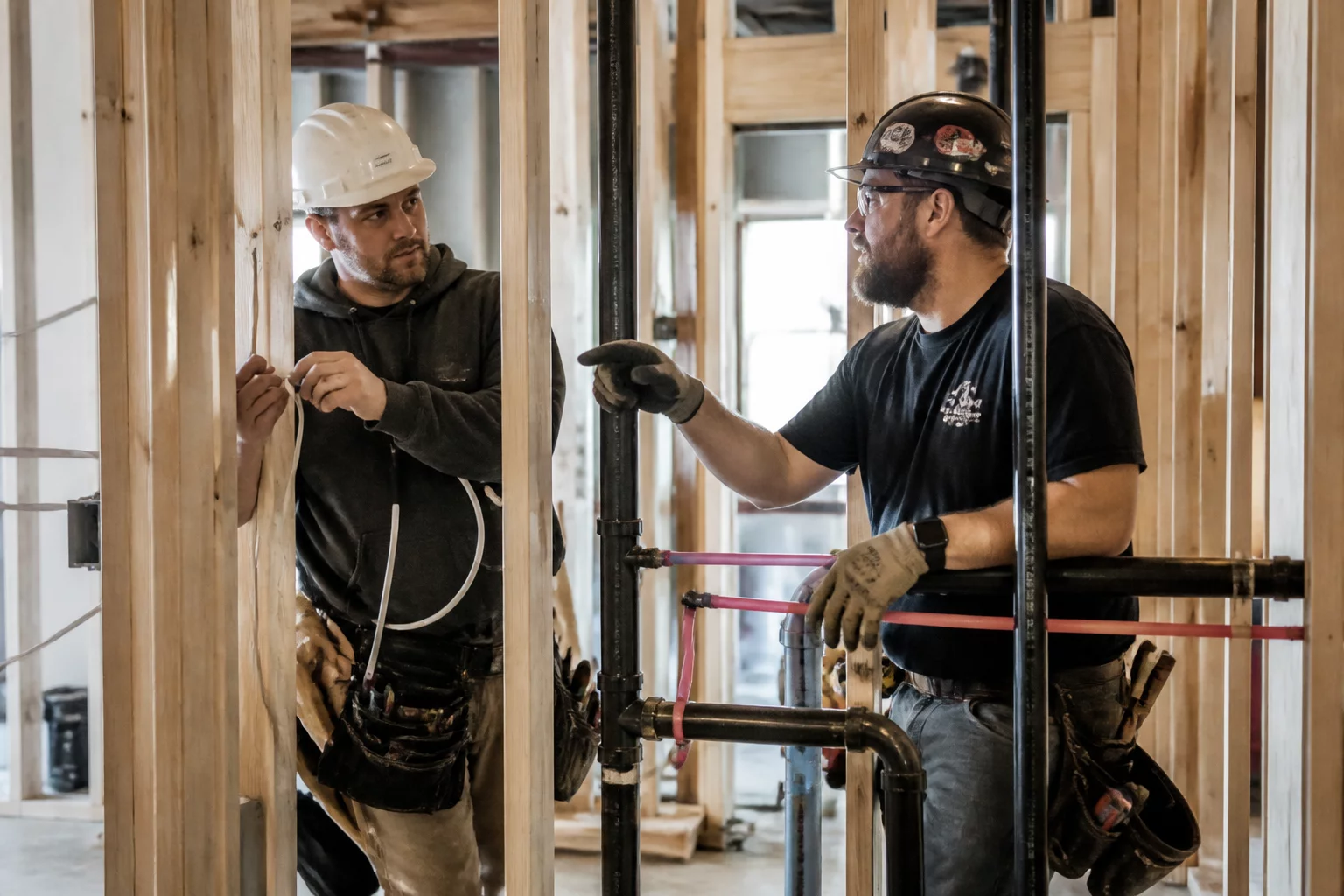
In complex interior restoration work, physical boundaries between mechanical rough-ins and electrical distribution are rarely isolated. This case study analyzes a partition wall rehabilitation where water damage necessitated stripping drywall, exposing an intertwined network of copper supply risers, PVC drain lines, and multi-wire branch circuits serving an adjacent kitchen island.
Because the original remediation scope treated plumbing replacement and electrical rewiring as parallel rather than sequential events, both trades arrived on site concurrently. The plumbing crew fastened new PEX-a manifolds directly across the center stud boreholes intended for the armored electrical cable. Without clear priority rules, the electrical trade could neither pull continuous wire nor maintain code-mandated clearances from heated water pipes. Resolving this intersection required establishing a strict pre-enclosure handoff ledger that defined rough plumbing completion and pressure testing as prerequisite gating events before electrical rough-in could commence.
How Task Reordering Prevents Compound Delays
Discover how adjusting an initial demolition step altered the timeline for the subsequent three trades across a residential reconstruction.
Core Protocols for Multi-Trade Handoffs
To prevent costly trade collisions inside structural framing and ensure code compliance prior to insulation and wallboard installation, the following sequence protocols must be established on site:
- Vertical Clearance Segregation: Establish dedicated horizontal drilling elevations for domestic water lines at least twelve inches away from parallel electrical wiring runs.
- Pre-Enclosure Multi-Trade Sign-off: Require explicit physical inspection verifications from both mechanical and electrical leads before hanging drywall panels.
- Protective Steel Strike Plates: Install anti-nail metal shields across all framing penetrations where pipe or wire passes within one-and-a-quarter inches of the stud face.
- Sequential Testing Gates: Conduct mandatory hydrostatic pressure tests on rough plumbing manifolds before powering auxiliary rough-in electrical feeds.
Applying these structured sequence checkpoints transforms chaotic trade overlap into predictable, accountable handoffs. Project coordinators save critical days by eliminating the risk of cutting open fresh drywall to resolve hidden trade interferences.
Peer Discussion & Feedback
0 CommentsNo reviews yet. Be the first to share your sequencing observations.
Leave a Review & Note