



Key Outcomes of the 2027 Development Cycle
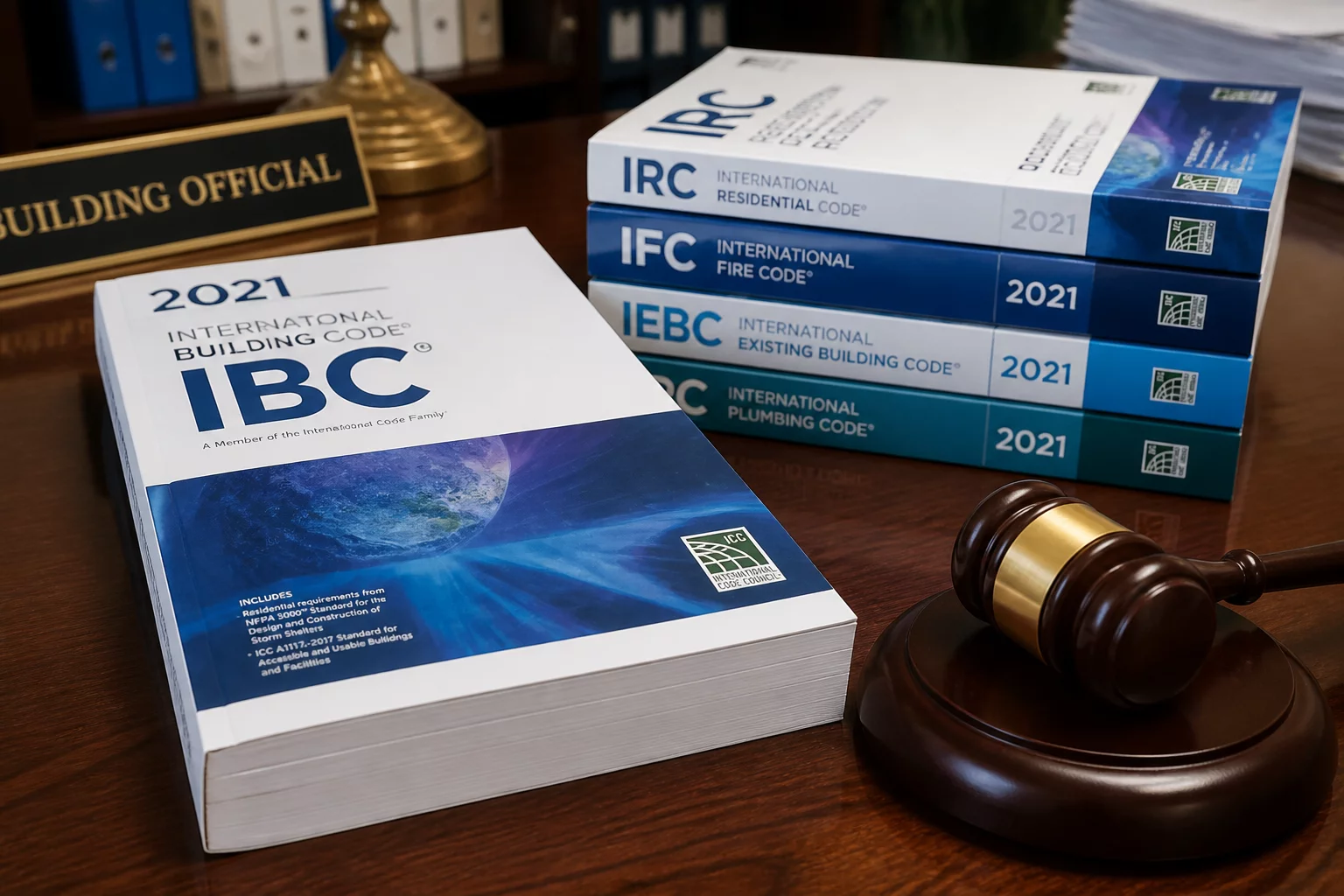
Following extensive committee action hearings in Orlando and final online governmental voting, the International Code Council (ICC) validated the core provisions shaping the 2027 International Code portfolio.
The finalized 2027 updates establish stricter performance thresholds for building envelope integrity, enhanced fire-resistance ratings for mass timber framing, and standardized accessibility handoffs. Most notably for field operations, the revised provisions mandate documented verification checkpoints before trade enclosures occur. When mechanical rough-ins intersect with load-bearing fire separations, specialty contractors must now log sequential barrier integrity sign-offs before drywall installation commences, minimizing secondary demolition caused by premature rough-in closures.
Explore how sequential trade orders prevent compliance failure
Review field documentation examples showing how rough-in changes alter subsequent trade schedules under modern code frameworks.
Operational Shifts in Repair & Assembly Handoffs
The 2027 provisions place heightened emphasis on the relationship between trade boundaries and continuous performance membranes:
- Continuous Air and Vapor Barrier Transitions: Explicit multi-trade sign-off requirements for framing-to-insulation interfaces.
- Firestopping System Identification: Permanent label ledgers adjacent to all through-penetration assemblies prior to chase closure.
- Electrical Service Pathway Isolation: Mandatory clear zones maintained between smart-grid sub-panels and plumbing supply runs.
- Pre-Drywall Moisture Verification: Standardized maximum substrate moisture readings recorded before thermal insulation installation.
These procedural refinements eliminate ambiguity during inspection phases. Rather than evaluating isolated trade deliverables in silos, building officials and field superintendents will verify integrated transition zones where sequential dependencies directly govern assembly longevity.
Peer Discussion & Feedback
0 CommentsNo comments yet. Be the first to leave a comment.
Leave a Review & Note