



Core Framework of the 2026 Energy Conservation Update
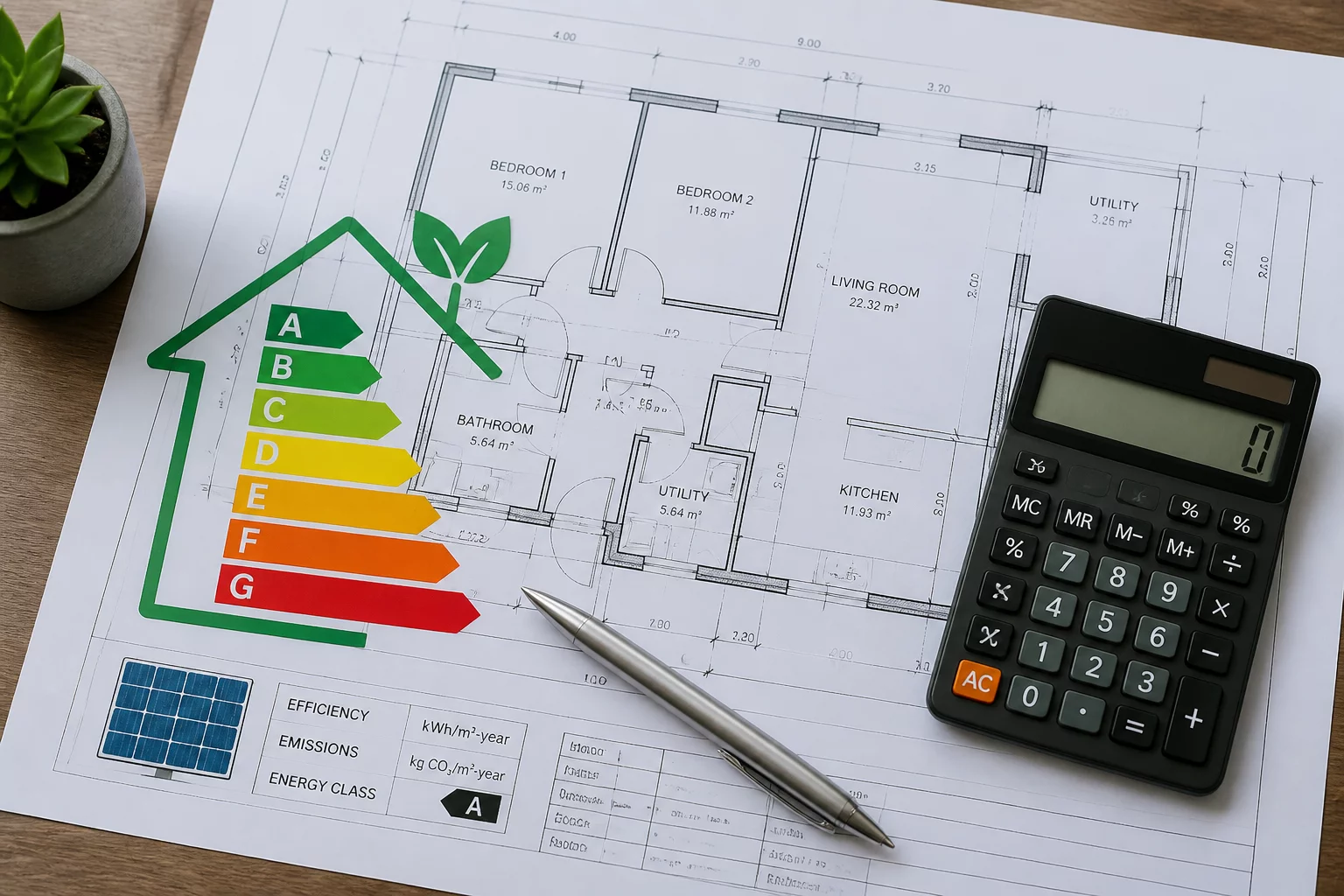
Florida has formally announced extensive revisions to the 9th Edition (2026) Florida Building Code, Energy Conservation, which officially takes effect in December 2026. This comprehensive overhaul updates building envelope requirements, HVAC efficiency minimums, and pre-drywall inspection mandates for both residential construction and major commercial alterations throughout the state.
Unlike previous cycles where testing exceptions existed for selective repair scopes, the 2026 framework establishes universal air infiltration testing thresholds of 3.0 ACH50 for newly permitted structures and substantial repairs. Trade contractors, framing leads, and insulation teams must coordinate strict handoff sequences to ensure thermal boundary continuous sealing before rough mechanical approvals are granted by municipal building departments.
Explore Sequential Trade Reorderings
Understand how unexpected code changes and inspection steps shift subsequent repair tasks on site.
Critical Workflow and Sequence Implications
The updated code introduces strict interdependencies that directly govern project scheduling and trade handoffs:
- Air barrier sealing and thermal boundary inspection must be documented prior to duct system rough-in and drywall delivery.
- Continuous exterior wall insulation installation must coordinate with window flashing inspections to prevent moisture trap conditions.
- Whole-house mechanical ventilation commissioning data must be logged alongside primary HVAC pressurization certificates.
- Service penetration firestopping and foam seal verification must be confirmed before electrical low-voltage closures.
Failing to establish these clear staging gates can result in inspection delays, failed blower door audits, and costly trade conflicts during late-stage finish execution.
Peer Discussion & Feedback
0 CommentsNo comments yet. Be the first to leave a comment regarding these code revisions.
Leave a Review & Note