


Systematic Realignment of District Building Codes
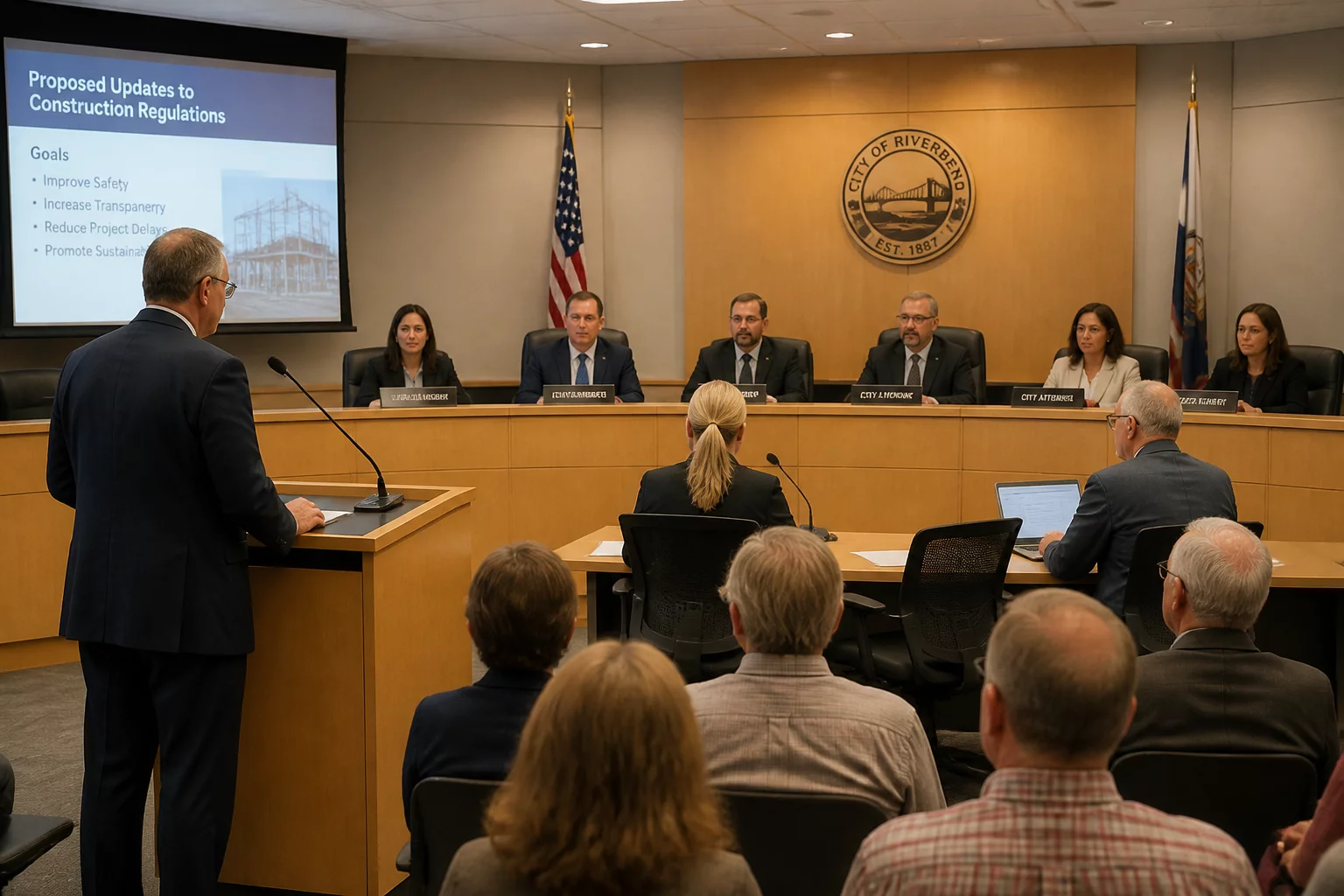
The District of Columbia Department of Buildings (DC DOB) has commenced a comprehensive public hearing process aimed at modernizing all 12 building code categories governing construction, repair, and property rehabilitation across the nation's capital. This extensive undertaking seeks to harmonize regional amendments with the latest national model codes while addressing persistent operational bottlenecks encountered during multi-trade renovations.
For contractors and repair specialists, the primary value of these hearings lies in the clarification of sequencing mandates. In dense urban jurisdictions like Washington, D.C., conflicting requirements between historical preservation envelopes, energy conservation standards, and MEP (mechanical, electrical, plumbing) installations routinely produce inspection stoppages. By examining each discipline systematically, the advisory panels are establishing structured handoff criteria that dictate when rough installations must receive sign-off before finishes or fire-rated assemblies are installed.
How One Repair Altered Three Subsequent Milestones
Explore a practical workflow breakdown demonstrating how early mechanical revisions reorganize insulation, drywall, and finish handoffs.
Core Technical Focus Areas Across the 12 Categories
The public hearings focus heavily on eliminating ambiguities that cause premature trade enclosures and subsequent code violations. Advisory committees are debating key modifications across multiple functional disciplines:
- Structural and Framing Verification: Mandatory independent structural approval before mechanical trades begin wall penetration and core drilling.
- Firestop and Barrier Enclosure Standards: Strict staging rules requiring firestop inspection logs before drop ceiling installations or concealed chase framing.
- Energy and Envelope Tightness Integration: Synchronizing blower-door test schedules with insulation inspection milestones to avoid destructive reopening of drywalled surfaces.
- Standardized Multi-Trade Rough-In Clearances: Clear spatial and sequencing guidelines for parallel electrical conduit, HVAC ductwork, and domestic water lines.
When these revisions take effect, project managers and field teams will benefit from unambiguous handover protocols. Rather than relying on informal site conventions, trade professionals will follow explicit regulatory steps that protect building safety and reduce avoidable re-inspection cycles across the District.
Peer Discussion & Feedback
0 CommentsNo comments yet. Be the first to share your field observations on this code update.
Leave a Review & Note